
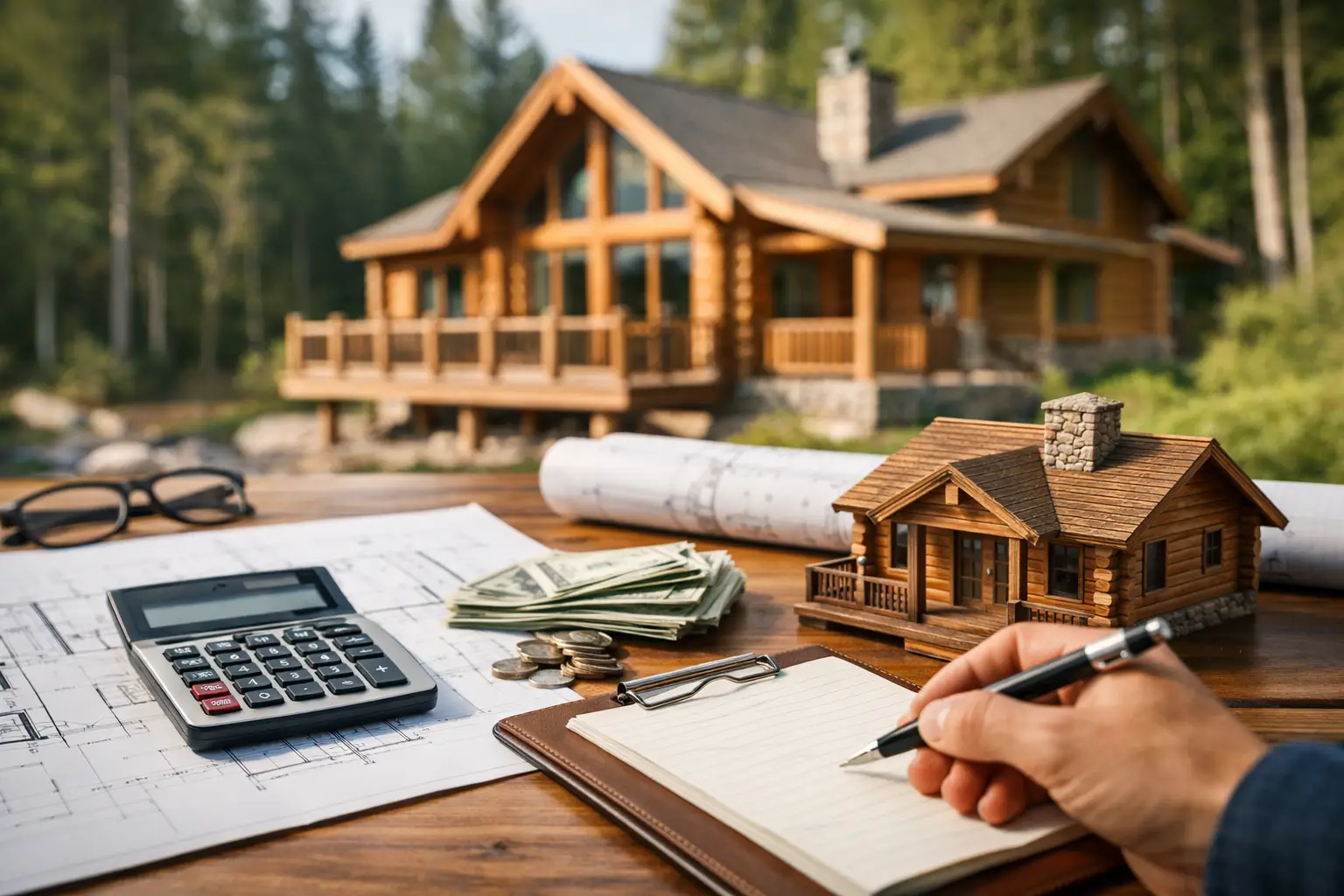
A custom cabin budget usually gets off track long before the first log is set. It happens when buyers compare a floor plan price to the full cost of building, or when they budget for square footage but not for the land, site work, engineering, and finish choices that actually decide the final number. This guide to custom cabin budgeting is built to help you look at the whole project the way an experienced builder does – plainly, honestly, and without sales smoke.
Why a custom cabin budget goes wrong
Most people start with the shell. That makes sense, but it is only one piece of the job. A cabin is not just walls and a roof. It is also the foundation, the driveway, the well or utility tie-in, the septic system, the porches, the county requirements, and the labor needed to bring everything together properly.
The other common mistake is assuming all wood homes cost about the same to own. They do not. Material choice affects more than the initial price. In the Southeast, where heat, humidity, termites, and storm exposure are real concerns, the wrong material can cost less up front and more over time. That is why budget decisions should be made with both first cost and long-term cost in mind.
A practical guide to custom cabin budgeting
The best way to budget a custom cabin is to break the project into phases and make each phase as realistic as possible. You do not need a padded number based on fear, and you do not need an optimistic number based on wishful thinking. You need a working budget that reflects how custom cabin jobs are actually built.
Start with your true all-in budget
Before looking at plans, decide what you can comfortably spend on the complete project. Not the package price. Not the framing stage. The finished cabin.
For some buyers, that means a hard cash number. For others, it means what the bank will approve plus what they can cover out of pocket for upgrades, site surprises, or owner-supplied work. If you are financing, remember that lenders, appraisers, and draw schedules may influence how you phase the build and which items must be included in the contract from day one.
A good early question is simple: are you budgeting for a basic cabin, a retirement home, a second home with premium finishes, or a showpiece family property? Those are all custom cabins, but they do not belong in the same cost conversation.
Separate house cost from land cost
If you have not bought land yet, keep that cost separate from the cabin budget. Too many buyers spend heavily on acreage, then try to force the cabin into what is left. That usually leads to compromises in materials, engineering, or finish quality.
Land also brings hidden costs. Raw property may need clearing, grading, tree work, drainage improvements, utility runs, a driveway, or environmental review. A beautiful lot can be expensive to build on. A simpler lot can save a great deal before the first wall goes up.
Budget the site work early
Site work is where unrealistic budgets get corrected fast. If your property needs fill dirt, retaining work, deep foundation preparation, culverts, or long utility trenching, the total can move quickly.
This is especially true in areas with wet ground, floodplain concerns, or hurricane-related engineering requirements. In southern climates, drainage and structural planning are not optional details. They are part of building a cabin that holds up. Spending properly here protects the entire investment.
Understand what is included in a material package
One of the biggest budgeting mistakes is assuming a material package means everything. Sometimes it does not include windows, interior framing, stairs, roofing, insulation, or finish materials. Sometimes it includes engineered plans and support. Sometimes it does not.
That is why line-item clarity matters. Ask exactly what you are getting. Ask what still has to be purchased locally. Ask what labor is typically required to complete the package. A lower package price is not a bargain if it leaves out major components you assumed were covered.
For buyers who want a real wood cabin in a demanding climate, material type matters as much as package scope. Heart-cut cypress, for example, costs differently than common pine alternatives, but it also brings natural resistance to decay, insects, and moisture-related wear. That can change the maintenance picture in a meaningful way over the life of the home.
The major cost categories to plan for
Design and engineering
Custom work costs more than repeating a stock plan, but that does not mean it is wasted money. Good design helps control the budget by fitting the home to the land, simplifying structural needs where possible, and reducing expensive mid-project changes.
Engineering is another area where smart buyers do not cut corners. In high-wind or humid regions, stamped plans and structural design are not paperwork. They are part of building safely and correctly.
Foundation and shell
The foundation, log or timber shell, framing components, and roof system are the structural backbone of the cabin. If your budget is tight, protect this part first. Fancy finishes can wait. Structural quality should not.
Porches, dormers, vaulted spaces, and complex rooflines can add a lot to the look of a cabin, but they also add labor and materials. This is where trade-offs come into play. A clean, well-proportioned design often delivers better value than a smaller cabin with too many costly roof and corner details.
Mechanical systems
Heating and cooling, plumbing, electrical, water systems, and possibly backup power all need room in the budget. Mechanical costs vary based on location, square footage, insulation levels, and how the cabin will be used.
A weekend retreat may not need the same setup as a full-time residence. On the other hand, a retirement cabin in a hot, humid climate should be planned for comfort and moisture control from the beginning. Retrofitting mechanical systems later is rarely cheaper.
Interior finishes
Cabin budgets often stretch here because finishes are emotional purchases. Cabinets, flooring, stonework, fixtures, appliances, and custom trim can move the needle more than buyers expect.
The best way to stay in control is to decide early where you want your money to show. Some owners care most about a large kitchen, others about a statement fireplace, oversized porches, or a premium bath in the primary suite. Pick the few areas that matter most and keep the rest practical.
Labor, timing, and owner-builder decisions
Labor is not just a number. It is tied to schedule, quality, and risk. If you use a turnkey builder, your cost may be higher on paper, but the coordination can be better and the timeline more predictable. If you act as an owner-builder, you may save money, but only if you have the time, judgment, and reliable subcontractors to keep the job moving.
There is no shame in either route. It depends on your experience and your appetite for managing details. A half-managed build can cost more than a professionally run one if mistakes, delays, or rework pile up.
Timing matters too. Price swings in labor and materials can affect the budget. So can permit delays and weather windows. Leave room for that reality. A custom cabin is a real construction project, not a catalog purchase.
How to set a contingency without padding the budget
Every serious custom cabin budget should include a contingency. Not because someone is trying to scare you, but because unknowns are normal in construction. Soil conditions, utility requirements, code updates, finish changes, and freight costs can all shift the number.
A reasonable contingency helps you make decisions calmly instead of reacting under pressure. The exact amount depends on how complete your plans are and how much of the site is already understood. If the design is still changing or the land has not been fully evaluated, your contingency should be stronger.
Budget for ownership, not just construction
A cheaper cabin is not always the better buy. If one material demands more upkeep, more finishing work, more pest treatment, or more repair in humid conditions, its long-term cost may be higher.
That is one reason many practical buyers look hard at cypress for southern cabins. It is not just about appearance. It is about durability, lower maintenance, and performance where moisture and insects are constant concerns. When you are building for the long haul, those details belong in the budget conversation from the start.
The smartest question to ask before you build
Do not ask only, “What will this cabin cost?” Ask, “What will it take to build this cabin right on my land, for the way my family plans to use it?”
That question leads to better answers. It brings the site, the structure, the materials, the engineering, and the finish level into the same conversation. It also helps you compare proposals honestly, which is something flashy pricing often avoids.
At Log Home Guys, we have seen that the best projects usually begin with clear expectations and a plainspoken budget discussion. That is how you protect your money and end up with a cabin worth owning for decades.
If you are serious about building, give your budget the same care you give the floor plan. A good cabin starts on paper, but a sound budget is what gives it staying power.