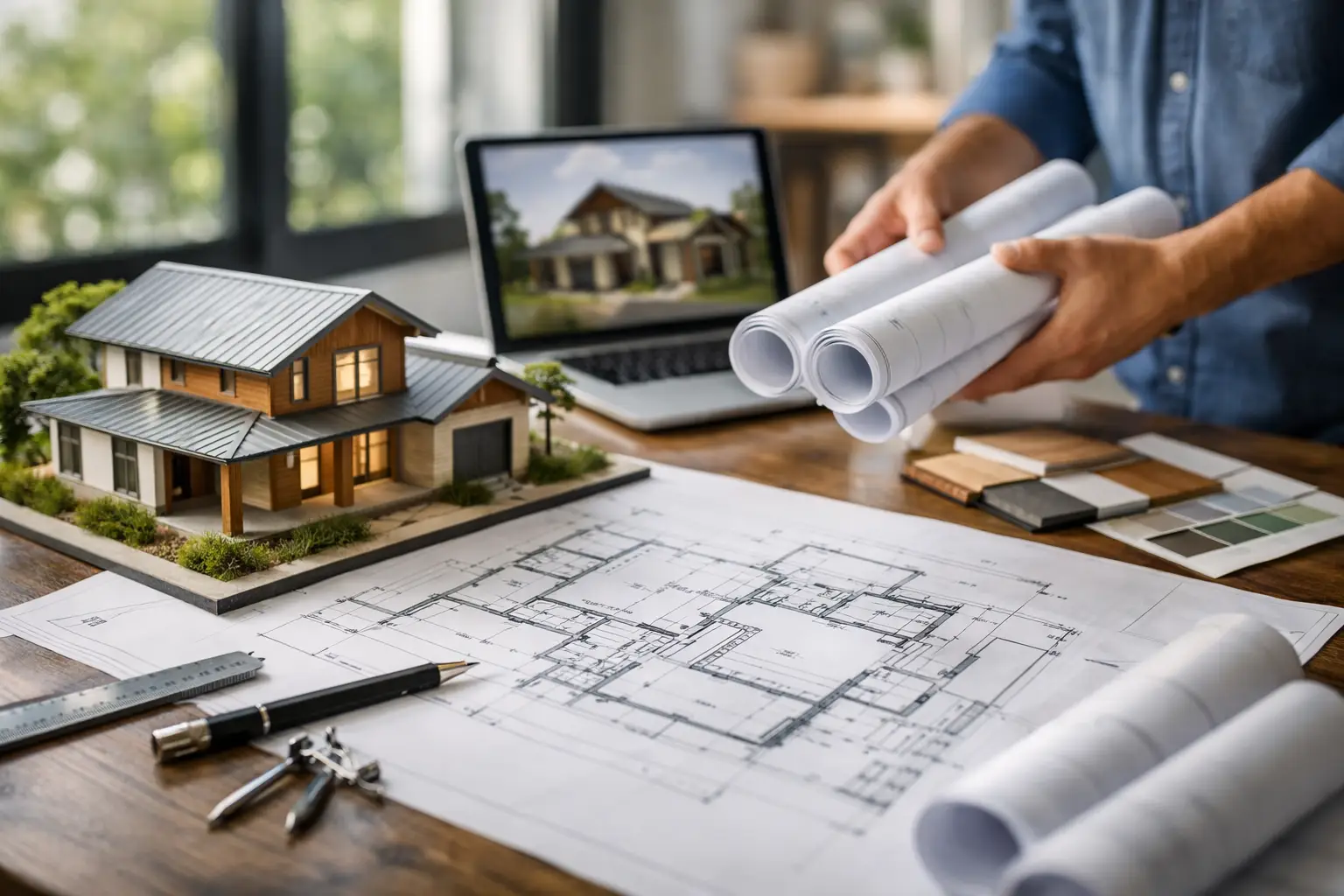
A house plan can look great on paper and still fail where it counts. In the South, that usually means too much maintenance, poor moisture control, weak wind performance, or a layout that never quite fits the land or the way a family actually lives. That is why custom cypress house plans matter. They are not just about appearance. They are about building a home that suits your property, your budget, and the climate you have to live with year after year.
If you are considering a cypress log home or cabin, the plan deserves as much attention as the material. Cypress is one of the best woods available for southern homes because it resists decay, insects, and hard weather far better than common softwood options. But even the right wood needs the right design behind it. A smart plan makes cypress perform at its best.
What custom cypress house plans should solve
A good custom home plan is not an art project. It is a working set of decisions that affects structure, cost, comfort, and long-term upkeep. For most buyers, the real question is not whether a plan looks attractive in a brochure. The real question is whether it solves the problems that come with building in a hot, humid, storm-prone environment.
That starts with the footprint. A narrow home may fit a wooded lot better and reduce clearing costs. A wide plan may open up bigger porch space and improve airflow. A one-story layout may make more sense for retirees planning to stay put for decades. A story-and-a-half design may give growing families more room without spreading too far across the site. None of those choices is automatically right. It depends on the land, the budget, and how you want to live.
The best plans also account for roof lines, overhangs, drainage, porch placement, and wall systems that make sense for local wind exposure. In hurricane country especially, pretty drawings are not enough. Structural engineering matters.
Why cypress changes the planning conversation
When people compare log home materials, they often focus on appearance first. That is understandable. Cypress has a rich, warm look and the kind of character people want in a real wood home. But the bigger advantage is what happens after the home is built.
Heart-cut cypress is naturally resistant to decay and insects. In humid climates, that is not a small benefit. It can mean less worry about the issues that often shorten the life of other wood homes or increase maintenance costs over time. For buyers in Florida, Georgia, and North Carolina, that matters more than sales talk about rustic charm.
That material advantage affects the plan itself. With custom cypress house plans, you are not trying to force a generic package onto a site and hoping for the best. You can design around large porches, open living areas, vaulted spaces, window placement, and site orientation while still keeping durability front and center. Cypress gives you a strong foundation for a home that is both practical and attractive.
Custom cypress house plans versus stock plans
Stock plans have their place. If your lot is simple, your needs are basic, and your local code requirements are straightforward, a stock plan can sometimes get you moving faster. But buyers looking at log homes usually have more specific goals than that.
They may want a full-time residence with better storm performance. They may need a retirement layout with first-floor living. They may want a cabin that feels open without wasting square footage. They may be trying to build on rural land with setbacks, slope, flood considerations, or access limits. That is where custom work starts to pay for itself.
A custom plan lets you adjust room sizes, porch depth, roof pitch, window groupings, ceiling heights, and traffic flow. It also lets the structural side of the home be designed with real conditions in mind instead of trying to retrofit a generic plan later. In many cases, changing a stock plan enough to make it truly work ends up costing more time and money than starting with a custom design.
There is a trade-off, of course. Custom design takes more discussion and more decisions up front. It is not the fast-click process some national package companies sell. But serious buyers usually prefer that. If you are building a home you want to keep for decades, the extra planning is not a burden. It is protection against expensive regret.
The features that matter most in a southern cypress home
Some home plan features sound good in a showroom and turn into maintenance headaches later. Others quietly improve the way a house performs every day. The difference often comes down to whether the design was shaped by real building experience.
Porches are a good example. In the South, a porch is not just decoration. It shades walls and windows, creates outdoor living space, and helps a home feel right on the land. Deep covered porches can also reduce direct weather exposure on exterior surfaces. That is a practical gain, not just a style choice.
Roof design matters too. Complex roof lines may look impressive, but they can add cost, complicate framing, and create more places for water management problems if they are not handled correctly. Simpler roof systems are often stronger and easier to maintain. That does not mean plain. It means purposeful.
Open floor plans are still popular, and for good reason. They make smaller homes feel larger and support the way families gather. But open space has to be balanced with structural needs and everyday function. A home that is too open can lose wall space, storage, and privacy. Good custom planning finds the middle ground.
Window placement is another detail that deserves more thought than it usually gets. Large glass areas can bring in views and natural light, but they also affect heat gain, privacy, and structural design. In windy coastal or inland storm zones, that decision should never be made on looks alone.
Engineering is part of the plan, not an afterthought
One of the biggest mistakes in home buying is treating engineering like a box to check after the design is done. In reality, a cypress home plan should be developed with structural performance in mind from the beginning.
That includes wind loads, shear requirements, foundation needs, connection details, and how the entire shell works together. This is especially important in areas where hurricane exposure, moisture, and shifting conditions can punish a weak design. A beautiful log home that is not properly engineered is not a value. It is a risk.
This is one reason experienced buyers are moving away from high-pressure package sellers and toward companies that understand what southern conditions really demand. A home should be designed to stand up, not just stand out.
How to know a plan fits your life
The best custom plan is not always the biggest one or the one with the most dramatic front elevation. It is the one that makes daily life easier and keeps long-term ownership practical.
Think about how you will use the house ten years from now, not just on move-in day. Will you want a main-floor primary bedroom? Do you need a mudroom or utility area that can handle rural living? Will guests come often enough to justify extra bedrooms, or would a more efficient layout serve you better? Are you building a second home that needs to stay low maintenance when you are away?
These are not glamorous questions, but they are the ones that separate a smart plan from an expensive compromise. A custom design process should help you answer them honestly.
That is also where working with an old-school, direct company helps. When you are talking to people who know the material, understand engineering, and are not trying to push a one-size-fits-all package, the plan gets better. Log Home Guys has built its reputation around that kind of straightforward guidance.
Custom cypress house plans are about value, not just style
People sometimes assume custom means overpriced. That can be true when a project is driven by unnecessary complexity or sales fluff. It is not necessarily true when custom design is used to avoid waste, fit the site correctly, and build around the strengths of cypress.
A well-designed cypress home can save money over time through lower maintenance, better durability, and fewer material-related problems. It can also help prevent costly changes during construction because key decisions were handled early. That kind of value does not always show up in a basic price-per-square-foot comparison, but it shows up later where it counts.
If you are serious about building a real wood home in the South, the plan should earn its place. It should reflect the land, respect the climate, and give you a home that still makes sense years from now. That is what custom cypress house plans are supposed to do, and when they are done right, you can feel the difference long before the first wall goes up.