
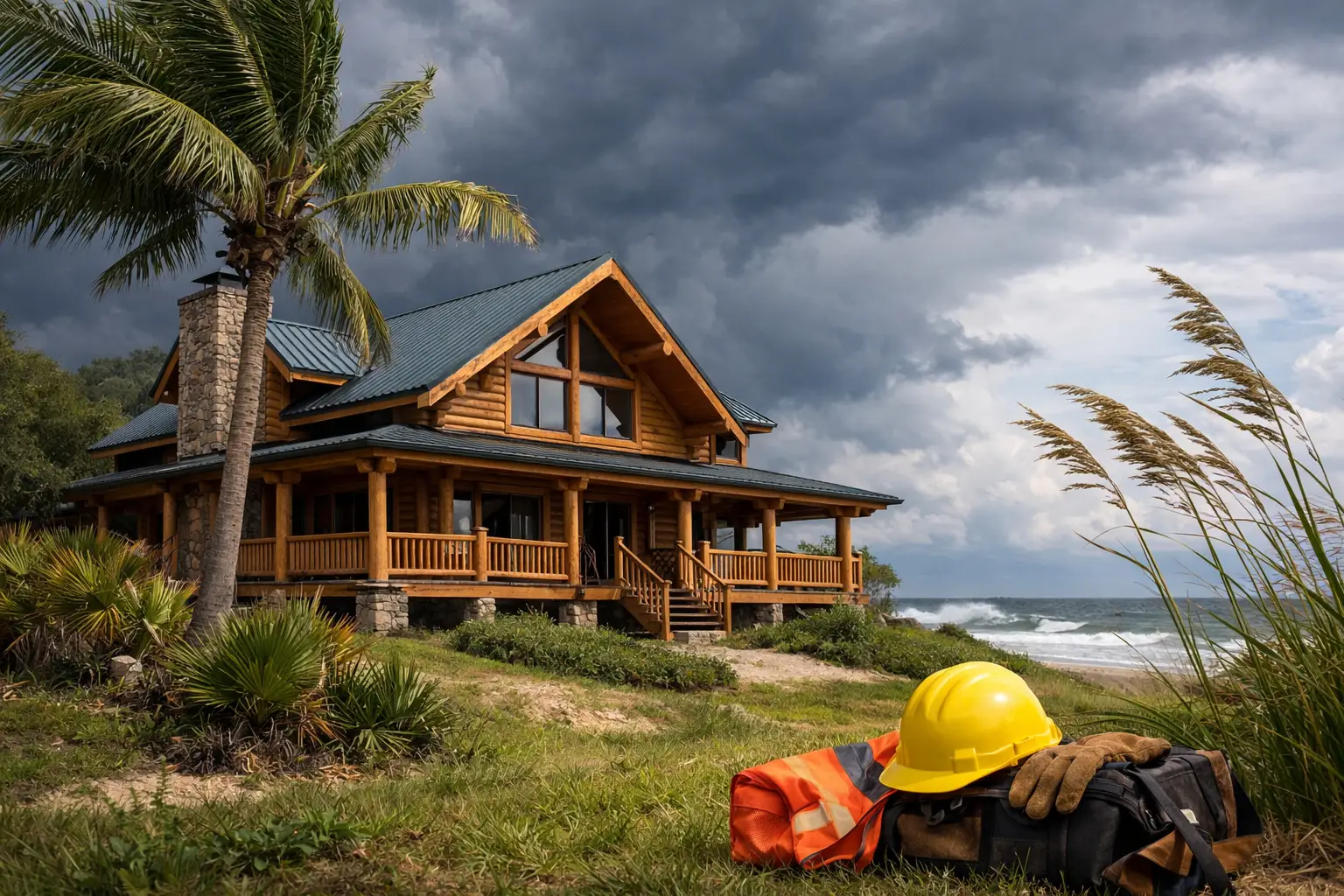
A Florida log home has to earn its good looks. The same sun, rain, humidity, termites, and hurricane-force winds that make Florida a beautiful place to live can punish a poorly planned wood home. That is why choosing among Florida log home builders should start with more than a floor plan and a price sheet. It should start with the material, the engineering, and the people standing behind the package.
A true log home is not a novelty home or a vacation postcard. Built correctly, it is a lasting family home, a retirement place, a hunting cabin, or a second home where people gather for decades. Built with the wrong species of wood, vague plans, or shortcuts in the structural design, it can become a costly lesson. The difference is in the details that do not always show up in a glossy brochure.
What Florida Log Home Builders Must Get Right
Florida construction is a different kind of work. A builder may understand conventional framing and still have limited experience with the way log walls, roof systems, connections, and settlement details perform under southern weather conditions. A log home package should be designed for the actual building site, local code requirements, and wind exposure, not pulled off a shelf and treated as a one-size-fits-all answer.
Hurricane resistance begins with engineering. That means a complete load path from roof to foundation, properly specified connections, shear considerations, and stamped plans when required. Wind does not only push against the side of a house. It can lift a roof, rack wall systems, and test every connection along the way. The home needs to be designed as a complete structure, not as a collection of attractive logs.
Site conditions matter just as much. A home on open rural land, near the coast, or on a lake may face a different wind exposure than a home tucked into a wooded interior lot. Flood-zone requirements, elevation, soil conditions, and local jurisdiction rules can all affect the foundation and final design. A good company asks questions before promising answers.
Humidity is the other steady pressure in Florida. Wood is a natural material, and it responds to moisture. The right design includes proper roof overhangs, drainage, flashing, ventilation, and wall details that help keep water where it belongs – outside. No wood home is maintenance-free, but a well-designed cypress log home can avoid the constant battle that comes with using a less suitable material in a hot, wet climate.
Why Heart-Cut Cypress Makes Sense Here
Not all log species belong in Florida. Many buyers first see pine packages because they are widely marketed and often look inexpensive at the starting line. The real question is what that material will ask of you after years of heat, rain, insects, and sun.
Heart-cut cypress has long been valued across the South for its natural resistance to decay and insects. The heartwood contains natural properties that help it stand up to the conditions that cause concern for Florida property owners. That does not mean a cypress home should be neglected. It means the homeowner begins with a material that is better suited to the job.
Cypress also brings a character that manufactured siding cannot imitate. The grain, warmth, and substantial feel of real logs give a home its presence. Whether the plan is a modest cabin with a wide front porch or a larger custom home built for family gatherings, the material should look honest because it is honest.
The practical benefit is equally important. A homeowner who chooses a naturally durable wood can spend less time worrying about avoidable repair work and more time enjoying the property. Finishes still need to be maintained according to exposure and product specifications. Roofs, gutters, caulking, and drainage still deserve regular attention. But material choice can greatly affect how hard the climate works against the home.
Ask About the Package, Not Just the Price
An unusually low quote can be tempting, especially when land, site work, permits, utilities, and construction labor are all competing for the budget. But comparing log home packages by bottom-line price alone is a poor way to protect your investment. Two packages can carry similar names while including very different levels of engineering, materials, drawings, and support.
Ask exactly what is included. Are the plans custom-engineered for the project? Are stamped blueprints available where required? What log profile and wood species are being supplied? How are the wall systems, roof structure, and connections specified? Is there assistance for your local builder, or does the support stop when the truck unloads?
A dependable supplier should be willing to explain the answers in plain language. You should not have to decode sales talk to learn whether the package includes what the project actually needs. Good communication before construction is often a sign of how problems will be handled once construction begins.
There is also a difference between a material package and a turnkey construction contract. A package can be an excellent fit for a hands-on owner-builder or a customer who already has a trusted local contractor. A turnkey path may suit buyers who want more help coordinating the work. Neither approach is automatically better. The right choice depends on your experience, your location, your available time, and the quality of builders in your area.
Custom Design Should Solve Real Problems
A custom plan is not just about moving walls around on paper. It is an opportunity to make the home work for the way you live and the way your land lays out. A well-placed porch can provide shade and outdoor living space. Window placement can capture a view while reducing harsh afternoon heat. A mudroom may matter more than a formal entry if the home sits on acreage. A first-floor primary suite may make sense for retirement living, while a loft and bunk room may better serve a family getaway.
The best plans also respect construction reality. Simple rooflines are often easier and less expensive to build and maintain than complicated designs with many valleys and transitions. Large spans, cathedral ceilings, and expansive glass can be beautiful, but they require thoughtful structural design and can affect the budget. A good log home company will discuss those trade-offs rather than sell every upgrade as a necessity.
For Florida homes, covered outdoor space is more than decoration. Deep porches can help protect exterior walls from direct weather while giving the family a place to enjoy the property. Proper overhangs, gutter planning, and finished grade around the house all work together. Water management is not glamorous, but it is one of the soundest investments a homeowner can make.
Look for Straight Answers and Long-Term Support
There is no need for high-pressure sales tactics when the materials, plans, and experience speak for themselves. Be cautious of companies that rush you toward a deposit before discussing wind design, site conditions, or what happens after delivery. You are not buying a decorative kit. You are planning a home that may be in your family for generations.
Look for a company that will talk openly about what it does and does not provide. Ask how it works with local builders. Ask whether it can help your contractor understand the package and plans. Ask who you call when a construction question comes up. These are not small matters when crews are scheduled and the job is moving forward.
At Log Home Guys, the focus is on premium heart-cut cypress homes backed by custom design, engineered plans, and personal support without the dealer overhead or sales pressure. That old-fashioned approach matters because buyers deserve direct answers from people who understand the product.
A Florida log home should feel like it belongs on the land, not like it was dropped there from another climate. Take the time to choose the wood, engineering, plan, and support system with the same care you used when choosing the property. When those fundamentals are right, the porch light can stay on through many seasons of Florida weather.