
A Southern log home has to do more than look good on the day the last log is set. It has to stand up to heat, humidity, heavy rain, insects, and, in many areas, hurricane-force wind. That is where the choice between heart-cut cypress versus traditional pine becomes more than a matter of color or cabin style. It affects maintenance, durability, and what you can expect from your home decades down the road.
Pine has long been used for log homes because it is widely available and familiar. Cypress, particularly heart-cut cypress, is chosen for a different reason: it brings natural characteristics that are well suited to the demanding conditions found across the South. Neither material is right for every budget or every project. But buyers deserve a straight answer about the trade-offs before committing to a log home package.
Why the Species Matters in a Southern Log Home
Wood is not just a finish material in a true log home. It is part of the structure, the weather barrier, and the character of the home. A poor material decision can leave an owner dealing with frequent refinishing, moisture concerns, insect damage, and repairs that were avoidable from the start.
Traditional pine can perform well when it is properly selected, dried, detailed, sealed, and maintained. The problem is that pine generally demands more from the owner and from the construction process. It is more vulnerable to decay and insects than naturally durable heartwood cypress, especially when moisture control is not perfect.
In Florida, Georgia, and North Carolina, moisture control is never something to take lightly. Humid air, driving rain, shaded lots, and long wet seasons can test any exterior wood system. That is why material quality and sound engineering need to work together.
Heart-Cut Cypress Versus Traditional Pine: The Real Difference
Heart-cut cypress refers to cypress material selected from the heartwood portion of the tree. This is the older, denser wood toward the center, valued for its natural oils and extractives. Those natural characteristics are a major reason cypress has been used for generations in outdoor and coastal applications.
The heartwood is naturally more resistant to decay and wood-destroying insects than common pine. That does not mean a cypress log home should be neglected. Every wood home needs proper roof overhangs, drainage, flashing, sealant where needed, and periodic inspection. It does mean the wood itself starts with a stronger natural defense.
Traditional pine usually does not offer that same natural resistance. Pine may be pressure-treated for certain uses, but treatment is not the same thing as choosing naturally durable heartwood. Treatment quality, penetration, cuts made in the field, and long-term exposure all matter. For visible log walls, many homeowners also prefer not to rely on the appearance and maintenance considerations that can come with heavily treated material.
Cypress gives homeowners a more forgiving material in an unforgiving climate. That is a practical advantage, not sales hype.
Decay Resistance Is Not a Small Detail
Fungal decay needs moisture, oxygen, and a suitable food source. A well-built home limits the moisture that reaches its walls, but real life includes windblown rain, condensation risks, plumbing leaks, and years of changing maintenance habits. A wood species with natural decay resistance provides an added margin of safety.
Pine can remain serviceable for many years when protected. Yet when pine stays damp, problems can develop faster. Cypress heartwood is better equipped to handle the occasional challenge without becoming a maintenance emergency. For a vacation cabin, rental property, or retirement home where an owner may not be on site every week, that margin matters.
Insects Are a Serious Southern Consideration
Termites do not care whether a home is rustic, elegant, custom-designed, or newly built. They look for opportunity. Cypress is not termite-proof, and no honest builder should promise otherwise. However, heartwood cypress has natural insect-resistant qualities that make it less inviting than untreated pine.
A smart homeowner still uses a complete termite strategy. That includes proper site preparation, good clearance around the home, attention to mulch and landscaping, routine inspections, and local pest-control guidance. Cypress does not replace those steps. It helps strengthen the overall defense of the home.
Maintenance: Where Pine Can Cost More Over Time
Many buyers focus first on the price of the log package. That is understandable, but the better question is what the home will cost to own over the next 20 or 30 years.
Pine generally needs more careful monitoring for checking, moisture exposure, insect activity, and finish failure. Checks, the natural cracks that form as logs dry and move, can occur in any wood. The concern is whether those openings collect water and become a place for decay to begin. Proper log design, drying, sealing, and maintenance all help, but material choice still has a bearing on long-term performance.
Heart-cut cypress is not maintenance-free, but it is a lower-maintenance choice by nature. Its durability can reduce the likelihood that normal weather exposure turns into major repair work. Homeowners still need to wash and inspect exterior walls, maintain finishes according to exposure, and address damaged caulking or flashing promptly. The difference is that cypress gives you a better foundation for that upkeep.
For many families, that means less time worrying about the house and more time enjoying it.
Strength Comes From the Whole Engineered System
A common mistake is to talk about log species as though wood alone determines whether a house is strong enough for high winds. It does not. Wind performance depends on the full system: engineered plans, connections, roof design, foundation attachment, shear resistance, openings, hardware, and the workmanship of the builder.
That is especially true in hurricane-prone regions. A handsome log wall is not enough. The home needs stamped engineering appropriate to the site and applicable building requirements. Properly engineered cypress log homes can be designed to address the forces that Southern homes face, including uplift, lateral loads, and wind-driven rain.
Pine can also be part of an engineered structure. The point is not that pine cannot be engineered. The point is that when you combine engineered design with naturally durable heart-cut cypress, you are addressing both structural demands and the long-term effects of the climate.
Appearance and Character Are Different Too
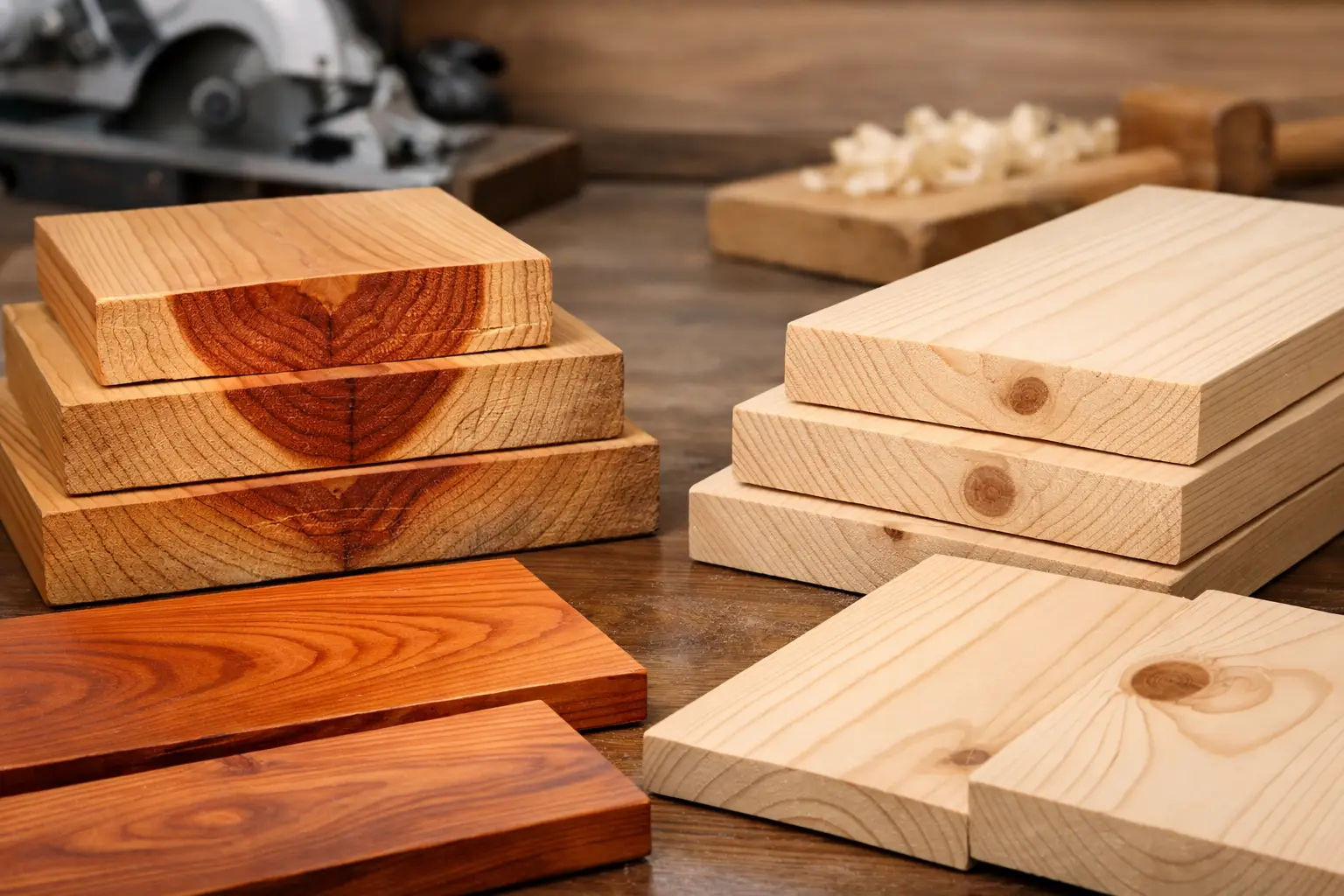
Both pine and cypress can create a beautiful log home, but they do not look exactly alike. Pine often has prominent knots and a lighter, more familiar lodge-style appearance. Some buyers love that bold, knotty character. Others find it too busy for a refined custom home.
Heart-cut cypress typically offers a richer grain, warm color variation, and a cleaner appearance with fewer large knots. It can feel rustic without looking rough. It also works well across a range of designs, from a compact cabin to a full-time custom home with porches, vaulted ceilings, and open living areas.
This part is personal. If your main goal is a classic, knot-heavy mountain cabin look, pine may appeal to you. If you want authentic logs with a more durable, distinctive Southern character, cypress is hard to beat.
When Traditional Pine May Still Make Sense
Pine can be a reasonable choice for buyers with a tight initial budget, projects in a milder climate, or homes where the logs are largely protected by deep porches and careful detailing. It can also suit an owner who is comfortable taking on regular maintenance and understands the importance of preserving the exterior finish.
The key is to avoid treating pine as equal to heart-cut cypress in every respect just because both are wood. They are not. A lower upfront material cost can be attractive, but it should be weighed against maintenance demands and exposure to moisture and insects over the life of the home.
Ask specific questions before you buy: What portion of the log is heartwood? How is the wood dried? What engineering is included? How are log connections, windows, roof loads, and wind requirements handled? What maintenance will the supplier expect from you? Straight answers to those questions tell you far more than a glossy brochure.
Build for the Climate You Actually Have
A log home should be built for the land, weather, and lifestyle you plan to enjoy, not just for a picture in a catalog. For buyers who want a true wood home in the South, heart-cut cypress offers the natural durability, insect resistance, and lasting character that traditional pine often cannot match on its own.
At Log Home Guys, the focus is not on pushing a one-size-fits-all package. It is on helping families build a properly engineered cypress home that makes sense for their site and their budget. Choose the material that gives your home a fighting chance against the conditions it will face every season.