
If you are serious about building a log home in the South, material choice is not a small detail. A real guide to heart cut cypress homes starts with one hard truth – what works in dry, mild climates does not always hold up in Florida, Georgia, or North Carolina. Heat, humidity, insects, and storm exposure will test every decision you make.
That is why heart-cut cypress stands apart. It gives you the look people want from a true log home, but it also brings practical advantages that matter after the house is built and the novelty wears off. For buyers who want a home that can handle southern conditions without becoming a constant maintenance project, cypress deserves a close look.
What makes heart cut cypress different
Not all cypress is the same, and not all log homes are built around the same performance standards. Heart-cut cypress comes from the dense heartwood of the tree, which is known for natural resistance to decay, insects, and moisture-related wear. That matters in any climate, but it matters even more in the Southeast where termites, humidity, and driving rain are part of life.
The heartwood is also where you get the strength and character that buyers expect in a premium wood home. It has a rich, warm appearance and a more durable makeup than common pine options used in many log packages. Pine can be attractive at first, but in tough southern conditions it often demands more vigilance, more upkeep, and more compromise over time.
This does not mean cypress is maintenance-free. No real wood home is. But there is a big difference between responsible upkeep and fighting a losing battle against the wrong material.
A practical guide to heart cut cypress homes for southern buyers
When people shop for a log home, they often focus first on floor plans, porches, lofts, and curb appeal. Those things matter, but the smarter place to begin is with how the home will live on your land over the next twenty or thirty years.
A heart-cut cypress home makes sense for buyers who want authentic wood construction without taking on unnecessary risk. In southern climates, the biggest threats are usually moisture, insects, and wind. Cypress addresses the first two with its natural properties, and when the home is properly engineered, it can also be designed to meet demanding structural standards for high winds and shear loads.
That is a major point buyers should not overlook. A beautiful log shell is not enough. If you are building in hurricane-prone territory or anywhere with serious weather exposure, the engineering behind the package matters just as much as the logs themselves. Good design, stamped plans, and real builder support are not extras. They are part of what makes the home worth owning.
Why buyers compare cypress to pine
Most people asking about cypress have already seen pine log homes. Pine is common because it is widely available and often marketed at a lower starting price. On paper, that can look appealing. In the field, the comparison gets more honest.
Pine can work in the right setting and with disciplined maintenance, but southern buyers need to think beyond the first quote. If one material is more vulnerable to insects, moisture, and ongoing wear, the lower upfront number can disappear fast. Repairs, treatments, recoating, and long-term headaches have a cost too.
Heart-cut cypress typically appeals to buyers who would rather spend wisely on the front end than chase problems later. It is not about paying more for the sake of paying more. It is about choosing a wood that is better suited to the climate where the house will stand.
The look of a real log home without giving up common sense
A lot of buyers come to cypress because they love the appearance of a classic log home but do not want a romantic idea that turns into a burden. That is a fair concern. Some homes are sold on emotion first and practicality second.
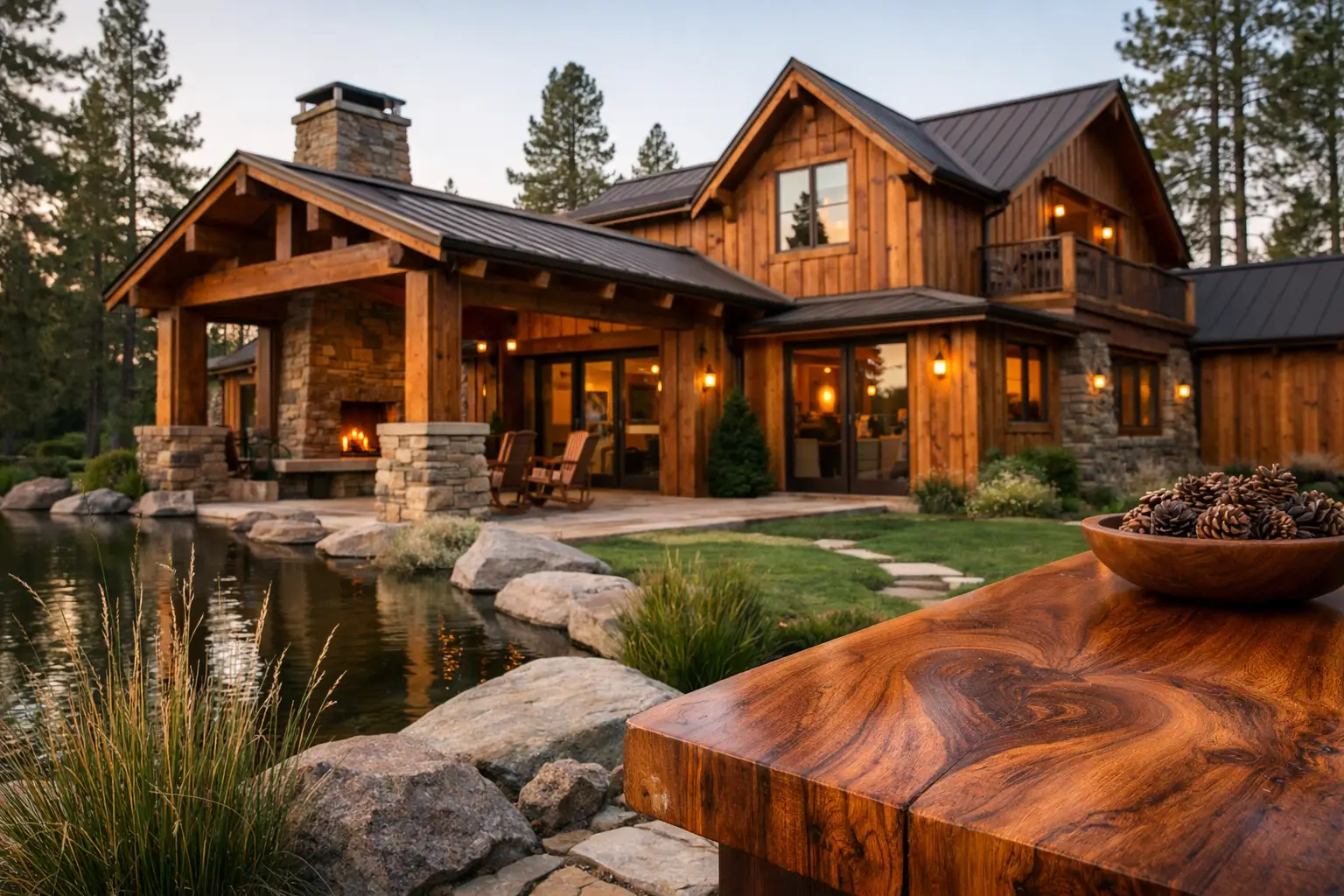
A well-designed cypress home gives you both. You still get the warmth, grain, texture, and solid presence that draw people to log homes in the first place. At the same time, you are choosing a species with a strong reputation for holding up in difficult conditions.
That balance is especially important for retirees, second-home buyers, and families building on rural property. If the home will sit vacant part of the year, or if you simply do not want every season to bring a new maintenance surprise, the material choice matters even more.
What to ask before you buy
Any worthwhile guide to heart cut cypress homes should help you ask better questions, not just admire finished photos. Before you commit, ask where the wood is sourced, whether the package is engineered for your local conditions, and what kind of support you will have during construction.
You should also ask how much flexibility you have in the design. Some companies push stock plans and dealer-driven packages that leave little room for real customization. That may work for some buyers, but many landowners need a home tailored to their site, budget, and lifestyle. A sloped lot, a coastal exposure, or a plan for aging in place can change what makes sense.
The right company should be able to talk plainly about trade-offs. For example, a larger porch can improve outdoor living and shade, but it also affects structural design and budget. A dramatic wall of glass may look great, but in storm country it needs to be considered carefully within the overall engineering of the home. Straight answers matter more than polished sales language.
Builder support matters more than most buyers realize
Even experienced contractors may not build log homes every day. That is why support from the supplier can be the difference between a smooth job and a frustrating one. A good material package should come with more than logs dropped on a site.
Buyers need accurate plans, engineering that reflects the region, and someone available to answer real construction questions as the build moves forward. That matters for turnkey customers and owner-builders alike. If you are managing your own project, support helps you avoid costly mistakes. If you are hiring a local builder, it helps your crew stay on track and build with confidence.
This is one area where old-fashioned service still counts. Direct access to people who know the product and the process is worth a lot, especially when compared with large companies that sell through layers of reps, dealers, and call centers.
Cost, value, and the truth about low maintenance
Let’s be direct. Premium heart-cut cypress is not bargain-bin material, and buyers should be wary of anyone pretending otherwise. But value is not the same thing as the cheapest price on page one.
A better way to look at cost is to ask what you are getting for the money. If the wood is naturally resistant to decay and insects, if the home is engineered for southern weather, and if you have real support through design and construction, that has lasting value. It can reduce maintenance pressure, improve durability, and protect the investment you are making in your land.
Low maintenance also needs to be understood the right way. It does not mean no maintenance. You will still need proper finishes, routine inspection, and sensible care like any quality wood home. What it does mean is that you are starting with a material that gives you a stronger position from day one.
Who should choose a heart-cut cypress home
Heart-cut cypress is a strong fit for buyers who want the character of a log home but refuse to compromise on durability. It makes sense for families building a full-time residence, retirees looking for a lasting place to settle, and second-home owners who do not want to spend every visit dealing with upkeep.
It is also a smart choice for practical buyers who are tired of sales hype. If you want straight talk, engineered performance, and a home package built around real southern conditions instead of generic national marketing, cypress stands on solid ground.
At Log Home Guys, that is exactly why the focus stays on heart-cut cypress rather than chasing every trend in the market. When you believe in the material, you do not need a flashy sales pitch to explain its value.
A good log home should look right, feel right, and keep proving itself long after move-in day. If you are weighing your options carefully, heart-cut cypress is worth the kind of serious consideration that leads to fewer regrets and a better home for the long run.